
Being a Homegrown Label in 2026 — What It Actually Takes
There’s a word that gets used a lot these days — homegrown. It’s often said quickly, almost in passing, as if it’s just another tag. But for us, it isn’t a tag. It’s the way every piece comes to be — slowly, by hand, by choice, with someone behind every decision who could tell you exactly why it was made the way it was.
That’s what we want to talk about here. Not the word itself, but what sits underneath it.
Cotton, because it has to breathe
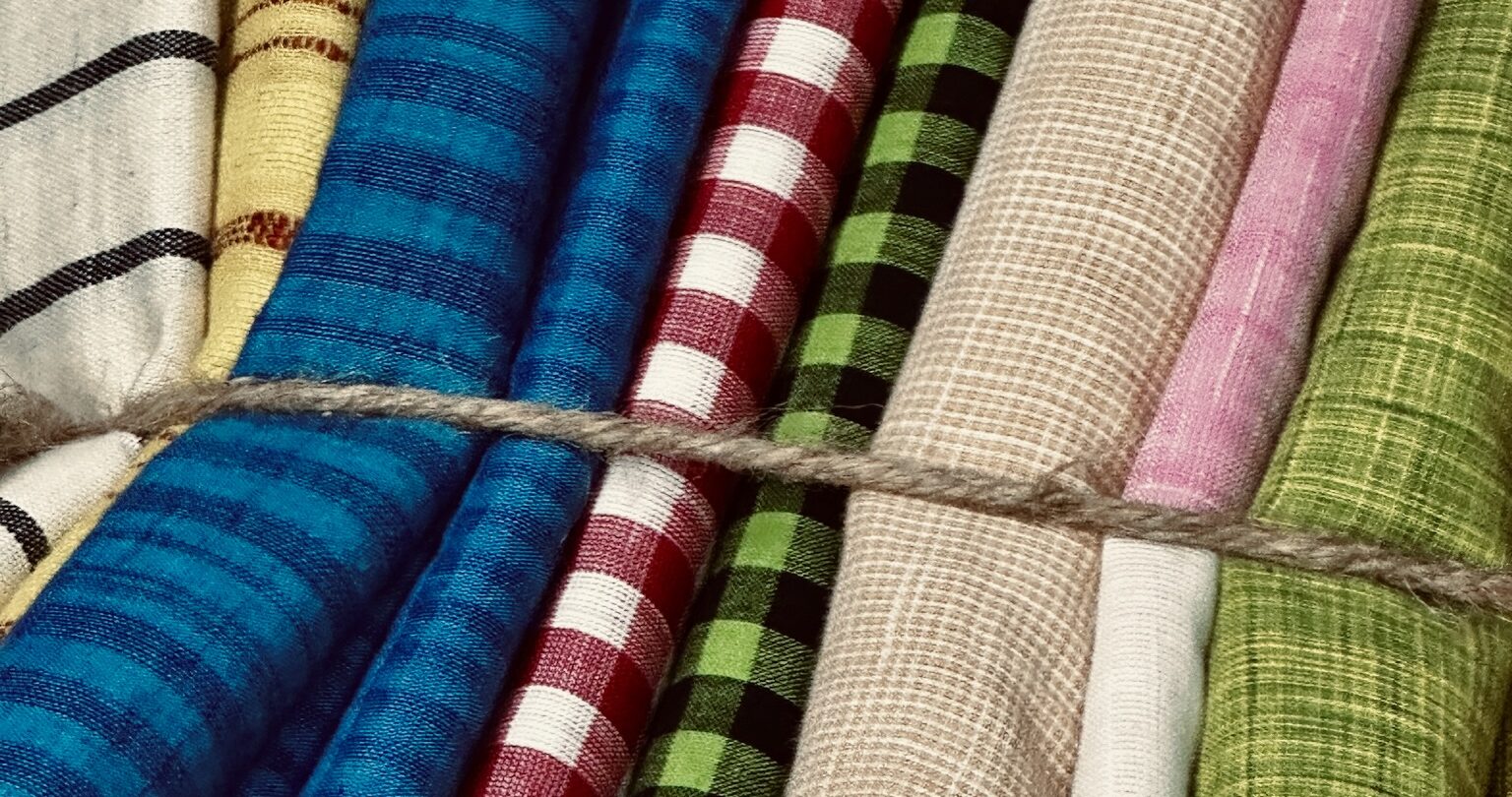
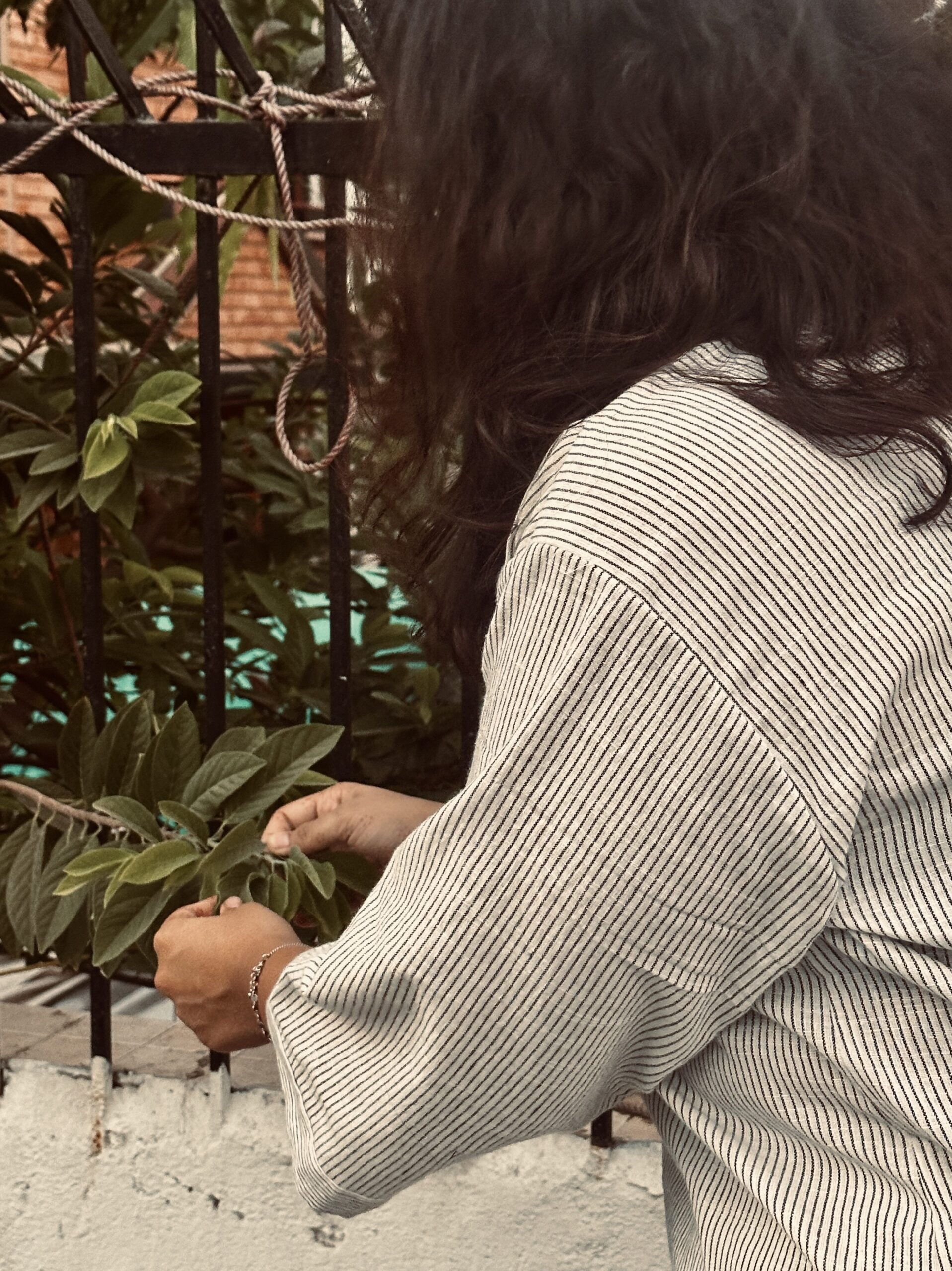
We work only in cotton and cotton blends. Not because it’s fashionable right now, but because it’s what India has always worn well. It breathes. It softens with time. It ages gracefully instead of falling apart. When you’re building a brand meant to last — not just a season, but years — you start with fabric that can keep up.
One size, every body
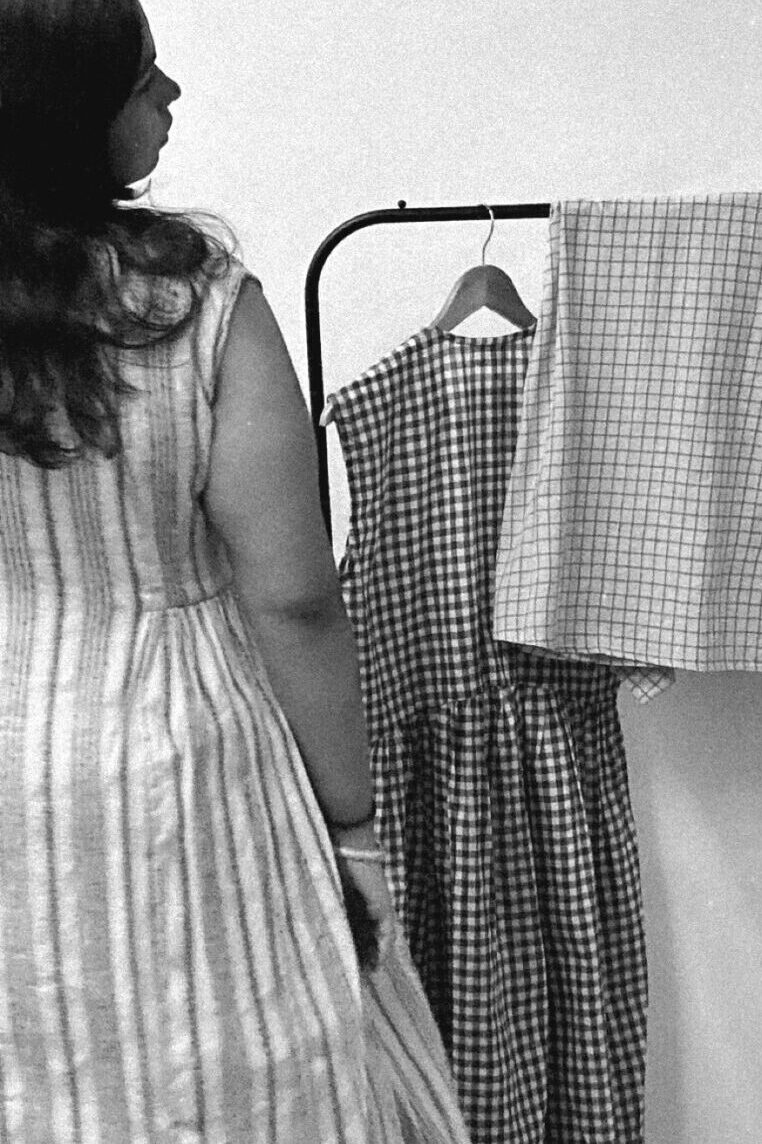
Most of what we make is designed as one true size — loose, oversized, anti-fit. This wasn’t a trend we followed. It came from a simple frustration: most clothing tells you which body it was made for, and if you don’t fit that, you don’t fit in. We didn’t want to make clothes that needed you to change. We wanted clothes that already understood you.
So the silhouettes are wide. The fits are relaxed. Whether you’re petite or plus size, the garment moves with you — not against you.
Made to order, and what that really means
Here’s the part that’s hardest to explain to people used to fast fashion: when you order from us, your piece is often made after you order it. Not pulled from a warehouse shelf. Made.
This means sometimes you’ll wait a little longer. It also means there’s no overproduction, no unsold stock piling up, no fabric wasted making something nobody wanted. Small batches. Considered numbers. Every piece made with intention, not in anticipation of a sale that might not happen.
What “homegrown” doesn’t mean
It doesn’t mean small in ambition. It doesn’t mean less serious, less professional, or less considered than a bigger label. If anything, it means more — more care, more involvement, more of yourself in every decision, because there’s no one else to pass it to.
It means when something goes wrong, you fix it yourself. When a fabric doesn’t feel right, you don’t ship it anyway. When someone writes to you, it’s you who replies.
Why we’re still doing this
Because slow fashion isn’t a phase for us. It’s the whole point. Every piece we make has one season, one story, and then it moves on — into someone’s wardrobe, into their life, worn the way it was meant to be worn.
That’s what homegrown means to us. Not small. Just honest.
— Khushi